Inspector Dymchurch
Partners in CrimeInspector Dymchurch is a Scotland Yard detective in appearance and a criminal impostor in fact, using the authority of the police to penetrate Tommy Beresford’s confidence and pursue a stolen letter. His reveal turns the reassuring figure of a Yard ally into the architect of the scheme, making him a sharp expression of the novel’s recurring play between detective roles and deceptive performances.
The Inspector’s Borrowed Identity
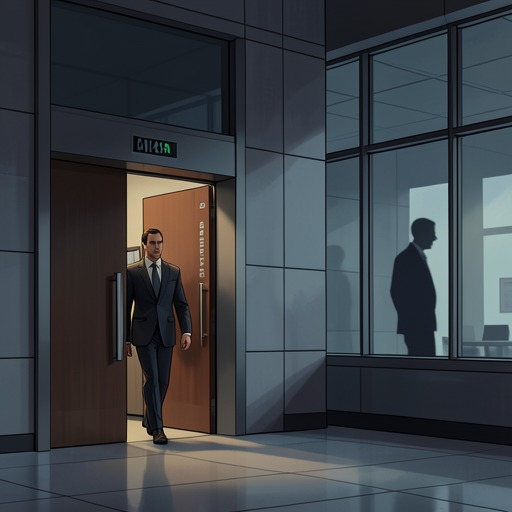
The impostor first establishes his credentials through a card bearing the name Inspector Dymchurch, marked in pencil as a friend of Inspector Marriot. His physical appearance reinforces the disguise: he is short and thick-set, with shrewd eyes, resembling Inspector Marriot closely enough to fit the part. He claims that Inspector Marriot, away in South Wales, asked him to watch Tommy and Tuppence Beresford and their premises. He also says the police know that the agency’s public appearance conceals something, but that the matter is not their department and they do not intend to interfere.
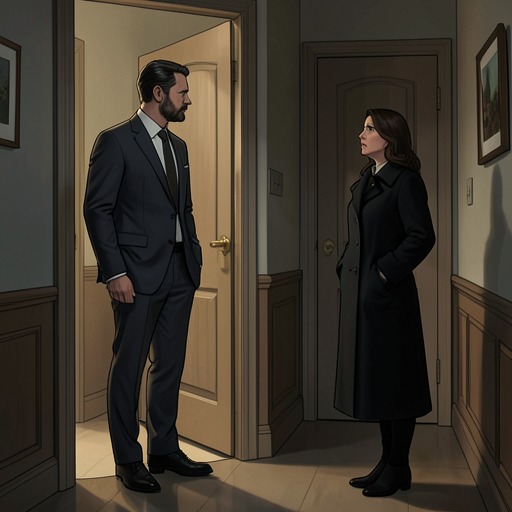
That performance is tailored to the couple’s vulnerable position. Inspector Dymchurch appears to recognize their covert work without threatening it, and speaks as if his knowledge is a discreet offer of help. He asks whether the suspicious visitor has arranged to meet Tommy at a particular place that evening; Tommy confirms that he has. The apparent ally thus draws information from the very people he claims to be protecting.
The Trap and Its Explanation
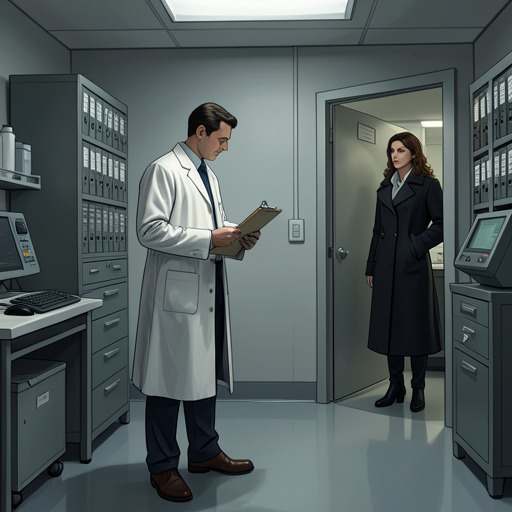
Inspector Dymchurch later explains that he volunteered to investigate the International Detective Agency because he suspected that all was not as it should be there. His method was a staged test: he sent his associate Carl Bauer first, instructing him to behave suspiciously and tell an implausible story. After Bauer had done so, Dymchurch appeared under Inspector Marriot’s name, using the borrowed identity to gain confidence. He describes the rest of the operation as easy.
The explanation makes the false inspector’s approach more than a disguise: it is a performance designed to make Tommy’s suspicion work against him. Bauer’s conspicuous behavior creates a situation in which a second visitor, apparently a police contact, can seem credible by contrast. The similarity to Inspector Marriot and the claim of an existing connection supply the institutional reassurance needed to complete the deception.
The Letter and the Exposure
When Tommy is securely bound and gagged, Inspector Dymchurch demands to know where the letter is. Tommy replies that he does not have it and taunts his captors by imagining them searching for it while playing hide-and-seek. The demand identifies the immediate object of the impostor’s pursuit, while Tommy’s answer refuses to give him the information he wants.
The contrast between the inspector’s breezy earlier assurance and his later direct pressure exposes the purpose of the friendly act. The man who claimed not to interfere with the agency is now interrogating its captured operator. His police title has been a tool for gaining access, not evidence of lawful authority.
Narrative Role and Significance
Inspector Dymchurch’s impersonation belongs to the larger comic pattern in which Tommy and Tuppence Beresford borrow detective identities and methods from the books they read. They discuss studying the great detective writers, and Tommy later declares that they will take the roles of the Okewood brothers, with himself as Desmond. Against that playful role-playing, Dymchurch’s false identity is dangerous rather than merely theatrical: his act secures trust, enables a trap, and leaves Tommy helpless.
The episode also makes the couple’s self-conscious detective play part of the danger. Tommy invokes detective-story reasoning and famous investigative styles, but Dymchurch understands that performance itself can mislead: an invented police connection and a convincing resemblance suffice to make suspicion difficult to place. The impostor’s reveal is therefore both a plot reversal and a darker counterpart to the Beresfords’ own experiments with borrowed roles.